TL;DR
- Australian Indigenous herbs are deeply rooted in cultural tradition and ecological knowledge.
- Recent projects highlight sustainable economic opportunities in native botanicals.
- Research underscores their potential in nutrition, wellness, and ethical trade.
- Quality sourcing and Indigenous collaboration remain essential for authenticity.
What It Is and Why It Matters Now
Across Australia, Indigenous communities have long relied on native herbs such as wattleseed, lemon myrtle, and bush mint for nourishment, ceremony, and wellbeing. These plants are not only a source of sustenance but also form part of a complex cultural system connecting land, people, and identity.
In 2025, renewed attention is being given to these traditional ingredients as part of national efforts to recognise Indigenous knowledge systems and biodiversity stewardship. The Australian Government and research bodies are working with Aboriginal and Torres Strait Islander groups to develop ethical frameworks for native botanical industries (CSIRO, Australian Geographic).
Benefits and Evidence
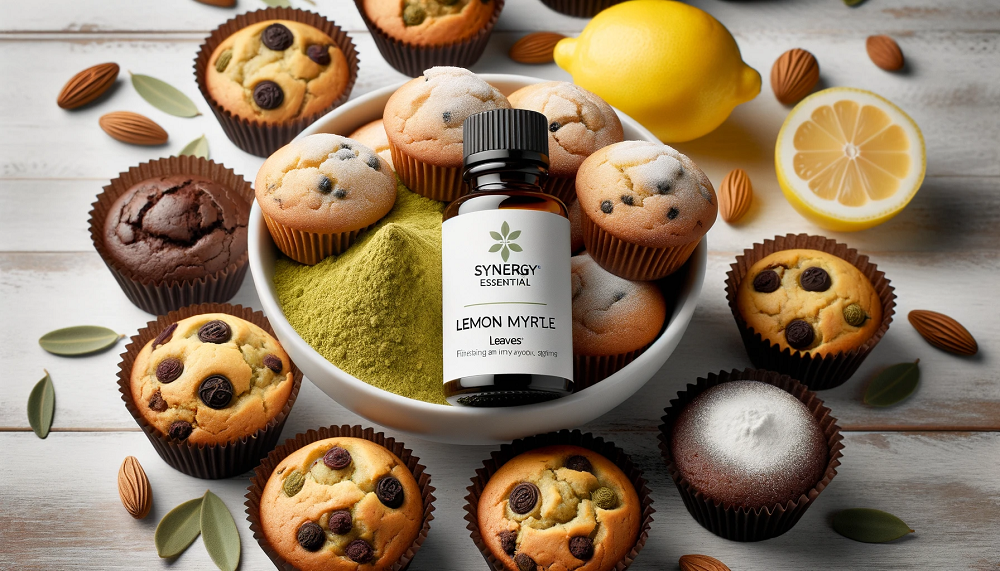
Scientific interest in Australian herbs has expanded over the past decade. Preliminary studies suggest that many native herbs feature natural antioxidants, aromatic compounds, and micronutrients that may support general wellbeing when incorporated into everyday diets. For example, lemon myrtle leaves have been reported to contain high levels of citral, contributing to their distinctive citrus aroma and culinary versatility.
However, researchers and Indigenous leaders emphasise that while these plants hold valuable potential, they should not be viewed as miracle cures. The current evidence base focuses mainly on cultural, nutritional, and ecological aspects rather than clinical outcomes. Safety and dosage are especially important considerations when exploring native herbs unfamiliar to global consumers.
How to Use
Integrating Australian herbs into daily routines can be simple and rewarding. They can flavour dishes, enhance teas, or be used in topical formulations with appropriate guidance. Consider starting with small amounts and sourcing sustainably harvested forms.
| Herb | Common Form | Everyday Use |
|---|---|---|
| Lemon Myrtle | Dried leaf, powder, tea | Infuse in hot water or sprinkle in baking recipes |
| Wattleseed | Ground seed | Add to smoothies or mix into bread dough |
| Bush Mint | Fresh or dried leaves | Steep in teas or use as seasoning for meats |
Quality and Sourcing
Authenticity and ethical sourcing are essential. Look for products that trace back to Indigenous-led initiatives or certified sustainable operations. Labels should include botanical names, harvesting methods, and country of origin.
At Synergy Essential, our approach prioritises transparency, sustainable harvesting, and collaboration with Indigenous suppliers. We support projects that strengthen community ownership and ecological balance while introducing the world to the authentic flavours of Australia’s native flora.
FAQs
1. Are Australian native herbs safe for everyone?
Most culinary uses are safe in moderate amounts, but those with allergies or medical conditions should consult a qualified professional.
2. How do Indigenous Australians use these herbs in ceremony?
Many herbs carry symbolic and healing roles, such as cleansing with aromatic smoke or inclusion in traditional bush medicine practices.
3. Can native herbs replace imported spices?
Yes, they bring unique flavours and aromas that complement modern cooking, supporting local biodiversity and sustainable trade.
4. Where can I find reliable suppliers?
Choose businesses that partner with Indigenous communities and provide full transparency on origin and harvesting approaches.
5. What’s the environmental benefit?
Native herbs often require less irrigation and chemical input, making them more sustainable for Australia’s climate.
Disclaimers
This information is for educational and cultural interest only and not a substitute for professional medical advice. Always consult a healthcare provider before making significant dietary changes.
Conclusion
As Australia celebrates its botanical heritage, Indigenous herbs stand at the intersection of wellness, sustainability, and cultural resilience. By supporting ethical sourcing and Indigenous knowledge, we not only enrich our diets but also honour generations of stewardship. To discover more insights on holistic ingredients and responsible well-living, visit Synergy Essential’s blog.