TL;DR
- Australian herbs like lemon myrtle and wattleseed are making their way into Indian kitchens for unique flavor and aroma.
- Growing trade ties between India and Australia have accelerated the exchange of spices and herbs.
- Consumers are embracing these herbs for culinary creativity and potential wellness value.
- Responsible sourcing and quality control remain essential for safety and sustainability.
- Synergy Essential promotes clean, traceable herb sourcing for informed living.
What It Is and Why It Matters Now
In 2025, the culinary landscape in India is evolving, with Australian native herbs finding a special niche among home cooks and professional chefs. Lemon myrtle, mountain pepper, wattleseed, and bush tomato are among the standout imports capturing the attention of Indian households. This movement reflects a growing appetite for global flavors and sustainable ingredients. According to a report from ABC News Australia, exports of native Australian botanicals have grown steadily over the past two years, facilitated by favorable trade policies and rising consumer curiosity.
The deepening India–Australia trade relationship, strengthened by the Economic Cooperation and Trade Agreement (ECTA) signed in recent years, has also contributed to this exchange. As covered by LiveMint, both nations have focused on reducing tariffs and promoting cross-border agricultural innovation. The result is a more vibrant marketplace where exotic herbs enhance local dishes and create new sensory experiences.
Benefits and Evidence
Australian herbs have long been prized for their distinct essential oils and aromatic profiles. Lemon myrtle is often noted for its fresh, citrusy essence, while mountain pepper adds a spicy warmth similar to traditional Indian peppercorns. Many of these herbs are rich in phenolic compounds and antioxidants, which researchers link with potential support for general well-being when used in moderation. However, current studies are preliminary, and their physiological benefits should not be overstated.
For example, a review published in the Journal of Ethnopharmacology (2022) highlighted the antioxidant potential of select Australian botanicals but emphasized the need for further human trials to confirm outcomes. Consumers should understand that while these herbs can enrich flavor and variety, they are not substitutes for medical or nutritional therapy. Anyone with allergies or specific health conditions should exercise caution and speak with a qualified practitioner before introducing new herbs into their diet.
How to Use Australian Herbs in Indian Cooking
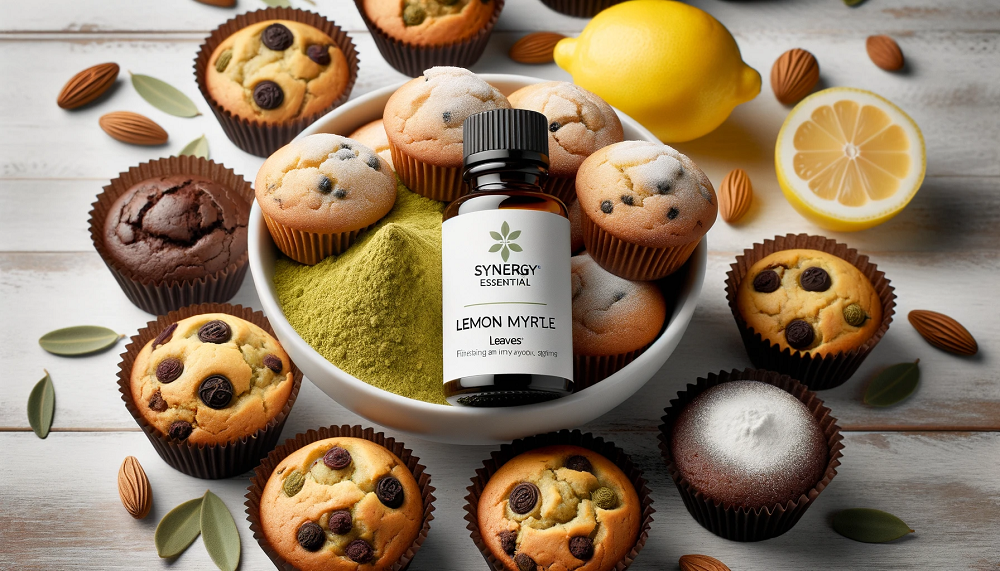
Integrating these distinctly Australian notes into Indian cuisine can be simple and enjoyable. Lemon myrtle pairs beautifully with lentils, grilled fish, and chutneys, adding a citrus spark. Wattleseed blends well in breads, cookies, and earthy curries, while bush tomato offers a tang reminiscent of sun-dried tomato base sauces. Start small by experimenting with spice blends and homemade rubs.
| Form | Common Use | Flavor Note | Storage Tip |
|---|---|---|---|
| Dried leaves (Lemon Myrtle) | Infuse in tea, stir-fries | Citrusy, fresh | Store in airtight jar, away from sunlight |
| Ground Wattleseed | Add to breads, desserts | Nutty, coffee-like | Keep cool and dry |
| Mountain Pepper flakes | Use in marinades, sauces | Spicy, woody | Seal tightly; refrigerate after opening |
| Bush Tomato powder | Blend into curries | Tangy, umami | Keep in moisture-proof container |
Quality and Sourcing
Quality varies greatly among dried herbs and botanical products. Look for suppliers that provide origin information, sustainable harvesting credentials, and lab-tested purity certificates. Poorly stored or adulterated herbs can lose potency or develop hidden contaminants. At Synergy Essential, our approach to sourcing centers on traceability and testing at each step — from cultivation in clean environments to packaging that preserves freshness. Our goal is transparency and purity that consumers can trust, ensuring every blend aligns with modern quality benchmarks.
Top FAQs
1. Which Australian herbs are most popular in India right now?
Lemon myrtle, wattleseed, and bush tomato lead the pack due to their unique flavors and adaptability to Indian recettes.
2. Are these herbs safe for everyday use?
Yes, in culinary amounts they are generally considered safe. Those with allergies or chronic conditions should consult professionals before use.
3. Where can I buy authentic Australian herbs?
Trusted importers and certified wellness brands, including vendors partnered with Synergy Essential, offer ethically sourced varieties online.
4. What makes Australian herbs distinct from Indian spices?
While Indian spices often emphasize bold heat and aroma, Australian botanicals provide fresh, floral, and resinous notes that complement rather than overpower.
5. How should I store them for maximum freshness?
Keep them in airtight containers, away from heat and light. Avoid moisture to preserve flavor and aroma over several months.
Disclaimer
This article is for informational purposes only and does not provide medical advice. Always consult a qualified health or dietary professional before making changes to your diet or supplement routine.
Conclusion
The arrival of Australian herbs in Indian kitchens mirrors a broader global trend: curiosity for new flavors combined with respect for cultural authenticity. With consumers exploring cross-continental tastes, sustainability and quality assurance remain at the heart of this journey. To stay updated on responsible sourcing, herbal trends, and mindful living, visit Synergy Essential Blog.