TL;DR:
- Australian Indigenous herbs hold deep cultural and spiritual significance rooted in traditional healing.
- Modern health systems increasingly recognize their potential role in sustainable wellness.
- Commonly studied herbs include lemon myrtle, wattleseed, and Kakadu plum.
- Ethical sourcing and respect for First Nations knowledge are essential for responsible innovation.
- Integration efforts in 2025 emphasize cultural collaboration, not commercial exploitation.
What It Is and Why It Matters Now
Australian Indigenous herbs – from aromatic leaves like lemon myrtle to nutrient-dense fruits such as Kakadu plum – are part of traditional knowledge that has guided health and wellbeing for tens of thousands of years. In 2025, these native botanicals are gaining renewed attention as part of a broader reconciliation and sustainability movement across industries, including medicine, nutrition, and cosmetics.
According to the CSIRO and recent features in ABC Indigenous, partnerships between Indigenous communities and researchers have accelerated, ensuring traditional custodians lead the narrative on native plant use and conservation.
Benefits and Evidence
Scientific studies have begun to validate some traditional uses while clarifying limits. For example, Kakadu plum is often cited for its exceptional vitamin C content, while lemon myrtle offers aromatic compounds such as citral, recognized for their refreshing scent and culinary versatility. Wattleseed, rich in protein and fiber, aligns well with contemporary nutrition goals for sustainable, plant-based diets.
However, while these herbs contain beneficial nutrients and bioactive compounds, their healing effects should not be overstated. Evidence supports their contribution to general wellness rather than direct treatment for medical conditions. Always consult a healthcare professional before using herbal products, especially if pregnant, breastfeeding, or managing health conditions.
How to Use: Practical Tips
These herbs can enhance daily wellness rituals—used in teas, blended with culinary ingredients, or infused into natural skincare. Here’s a simple guide comparing popular forms and uses:
| Form | Common Use | Notes |
|---|---|---|
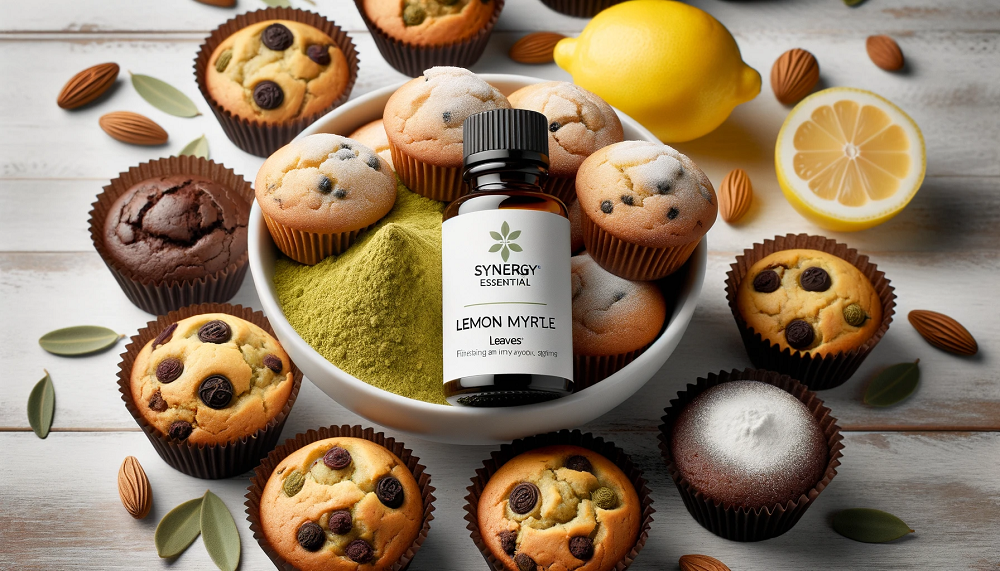
| Lemon Myrtle Leaf | Infused in tea or used in marinades | Offers citrus aroma and uplifting flavor |
| Kakadu Plum Powder | Added to smoothies or sauces | Rich in vitamin C; use sparingly for tartness |
| Wattleseed Flour | Baked into breads or desserts | Nutty aroma and high fiber content |
| Native Peppermint Oil | Aromatherapy or topical blends | Strong aroma; dilute before topical use |
Many people now incorporate these herbs into slow-living routines, embracing mindful, place-based connections that reflect Indigenous values of stewardship and respect for nature.
Quality and Sourcing
Ensuring authenticity is critical. Look for products that acknowledge Indigenous provenance, provide traceability, and avoid overharvesting. Transparent sourcing safeguards biodiversity and cultural heritage.
At Synergy Essential, quality begins with ethical collaboration—prioritizing certified growers and suppliers who work with Indigenous communities. Each product batch is tested for purity, potency, and sustainability benchmarks, aligning with 2025’s industry call for cultural responsibility.
FAQs
1. Why are Australian native herbs culturally significant?
They are integral to Indigenous identity and healing traditions, often symbolizing connections between land, people, and wellbeing.
2. Can anyone harvest or use these herbs?
Use should always respect Indigenous custodianship. Supporting verified Indigenous-owned producers ensures fair value and protection of traditional knowledge.
3. Are there proven health benefits?
Many herbs offer nutrients and natural antioxidants, but research is ongoing. They contribute to wellness when integrated into balanced lifestyles.
4. Are these herbs safe for daily use?
Generally safe in moderate culinary amounts. For concentrated extracts or supplements, consult professionals due to possible sensitivities.
5. How does Synergy Essential support Indigenous heritage?
Through partnerships that emphasize cultural respect, sustainable cultivation, and transparent communication about native ingredients.
Disclaimer
This article is for informational purposes only and does not provide medical advice. Always consult a qualified health professional before making major dietary or wellness changes.
Conclusion
As 2025 continues to bring awareness to Indigenous perspectives, Australian herbs remain powerful symbols of environmental care, cultural strength, and holistic wellbeing. Their inclusion in modern wellness innovations must always honor traditional custodianship and ethical practices.
For more insights on natural wellness and ethical ingredient sourcing, visit Synergy Essential Blog.