TL;DR
- Indigenous Australians have used native herbs such as eucalyptus, tea tree, and wattleseed for centuries in medicine, spirituality, and community rituals.
- Modern research now acknowledges their antimicrobial and aromatic properties, creating a bridge between tradition and science.
- Cultural preservation initiatives in 2025 highlight Indigenous-led herbal enterprises and sustainable harvesting methods.
- Understanding and respecting traditional uses ensures these herbs continue to benefit communities today.
What It Is and Why It Matters Now
Australian native herbs have been integral to Indigenous cultural life long before European settlement. These plants—often referred to as bush medicines—hold deep spiritual and practical meaning, connecting people with Country, ancestors, and wellbeing. Herbs like eucalyptus leaves were used in smoke ceremonies, while tea tree (Melaleuca alternifolia) served for cleansing and healing.
In recent years, renewed interest in Indigenous knowledge and sustainability has driven collaborations between Indigenous communities and researchers. For instance, studies reported by CSIRO and Australia.gov.au indicate growing validation of native botanicals in modern wellness and aromatherapy.
Benefits and Evidence
Scientific exploration has confirmed that many native Australian herbs contain bioactive compounds supporting antimicrobial, antioxidant, and aromatic properties. Eucalyptus oil, for example, has been shown to assist in air purification due to its natural volatile components, while tea tree oil is recognized for its cleansing properties. Wattleseed and lemon myrtle are increasingly incorporated into natural skincare and food products for their unique nutrient profiles and traditional heritage.
However, experts emphasize that traditional uses often derive from holistic, spiritual frameworks, not purely medical functions. Evidence supports certain topical or aromatic benefits, but these herbs are not substitutes for prescribed treatments. Careful sourcing and dilution are important, as essential oils can cause irritation when misused.
How to Use
Integrating Australian herbs into daily rituals can be both simple and respectful. Use them in culinary infusions, home aromatherapy, or gentle skin applications inspired by traditional practices. Always seek ethically sourced products grounded in Indigenous collaboration.
| Form | Common Use | Notes |
|---|---|---|
| Eucalyptus Leaf or Oil | Aromatic cleansing, steam inhalation | Strong scent; use sparingly and avoid direct ingestion. |
| Tea Tree Oil | Topical applications, natural cleaning | Highly concentrated; dilute in carrier oil before skin use. |
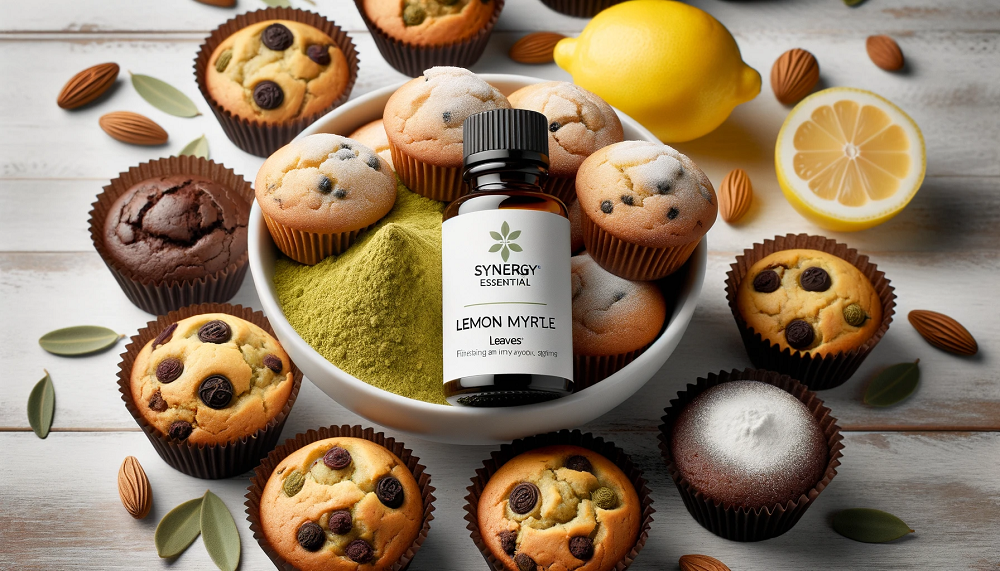
| Lemon Myrtle | Tea, skincare, aromatherapy | Refreshing citrus aroma; source from verified native growers. |
| Wattleseed | Culinary ingredient | Nutty flavor; rich in protein and fiber. |
Quality and Sourcing
Authenticity and sustainability are central to quality herbal products. Look for brands that acknowledge traditional custodianship and partner with Indigenous suppliers. Ethical sourcing maintains biodiversity and fair economic benefits to Indigenous communities.
At Synergy Essential, quality begins with collaboration. Our approach honors Indigenous knowledge systems, ensuring every step—from plant selection to extraction—supports community-led stewardship and environmental care.
FAQs
1. Are native Australian herbs safe for everyone?
Most are safe when used properly, but sensitivity can occur. Always perform a patch test and consult a professional before use.
2. What makes Indigenous uses unique?
They embody a holistic view where therapeutic, ceremonial, and spiritual dimensions intertwine, reflecting deep respect for Country.
3. Can science validate ancient herbal knowledge?
Yes, several ongoing studies aim to document and verify the biochemical and ecological roles of these herbs, supporting knowledge preservation.
4. How can consumers support Indigenous herbal heritage?
Purchase from ethical brands, support Indigenous-owned enterprises, and learn about the cultural context behind each plant.
5. What are the latest developments in 2025?
Community-led research initiatives and eco-certifications for native botanicals are expanding, bridging tradition with global wellness markets.
Disclaimer
This article is for informational purposes only and does not constitute medical advice. Always consult a qualified healthcare professional before using new herbal products, especially if pregnant, nursing, or under medical treatment.
Conclusion
Australian native herbs embody centuries of wisdom, sustaining health, culture, and connection to the environment. As modern science deepens respect for Indigenous knowledge, these botanicals find renewed relevance in natural wellness. By choosing ethically sourced and culturally grounded products, consumers play a part in preserving an ancient legacy for future generations.
Explore more on the Synergy Essential wellness journal at Synergy Essential Blog.