- Global market for Australian herbs projected to reach $23.8 billion by 2035.
- Demand fueled by wellness, sustainable food, and natural beauty trends.
- Local communities gain from ethical cultivation and export opportunities.
- Growing interest in native herbs like Kakadu plum, Lemon Myrtle, and Finger Lime.
What It Is and Why It Matters Now
Australian herbs — including native botanicals such as Kakadu plum, Lemon Myrtle, Wattleseed, and Finger Lime — are increasingly recognized for their unique phytochemical profiles and sustainability. These herbs are integral to Indigenous cultures and are now capturing global attention as consumers seek clean, traceable ingredients. According to a report from the Australian Trade and Investment Commission (Austrade), global exports of native botanicals have grown significantly since 2020. Market analysts, including Statista, project that global demand could reach $23.8 billion by 2035, driven by natural health and eco-conscious trends.
Benefits and Evidence
Research highlights that many Australian herbs are rich in antioxidants, phenolics, and essential oils contributing to flavor, skin care formulations, and general wellness. For example, the Kakadu plum is known to have one of the highest natural vitamin C contents among fruits, while Lemon Myrtle’s citrus notes translate into both culinary and aromatherapy use. However, scientific literature advises that more clinical evidence is needed to substantiate specific health outcomes — especially for therapeutic claims.
Safety considerations include avoiding excessive intake of concentrated extracts without professional guidance and verifying supplier authenticity. The benefits of Australian herbs lie primarily in their nutritional and functional properties rather than curative promises.
How to Use
Incorporating Australian herbs can be simple and enjoyable. They may be used in teas, seasoning blends, skincare infusions, or as powdered supplements. Focus on whole or minimally processed forms to preserve active compounds.
| Form | Common Use | Notes |
|---|---|---|
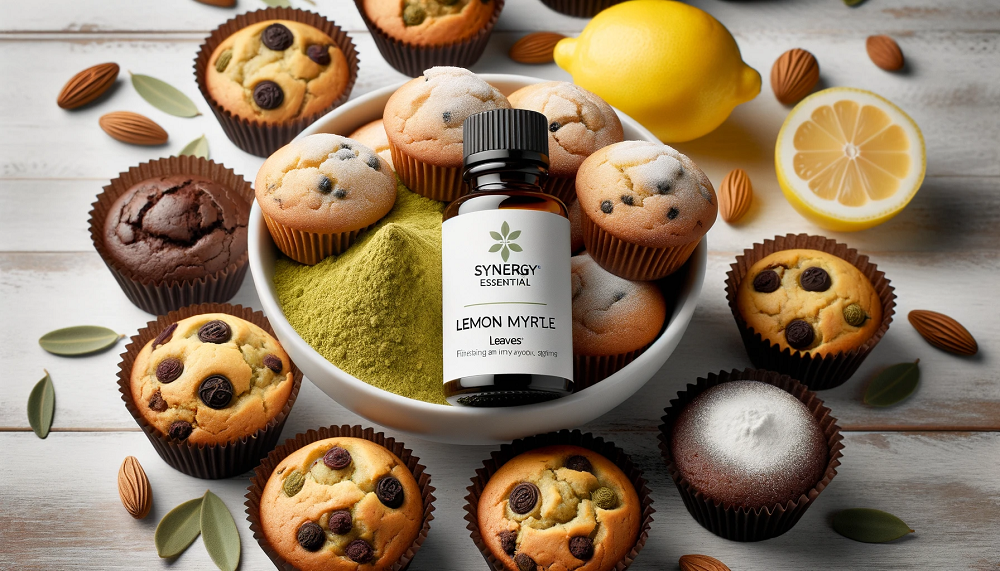
| Dried Leaves (Lemon Myrtle) | Tea, spice mixes | Strong aroma; small quantities recommended. |
| Fruit Powder (Kakadu Plum) | Smoothies, bakery items | High natural vitamin C; avoid heating to retain potency. |
| Essential Oil (Eucalyptus or Lemon Myrtle) | Aromatherapy, topical blends | Use diluted; verify purity certifications. |
| Seed (Wattleseed) | Baking, coffee substitutes | Nutty flavor; roasted for a rich taste. |
Quality and Sourcing
Quality in Australian herbs depends on sustainable harvesting and supply-chain transparency. Ethical sourcing supports Indigenous custodians and regional growers. Look for products carrying certifications for organic cultivation, fair trade, and provenance verification. Synergy Essential maintains stringent sourcing standards — partnering directly with growers and suppliers who implement regenerative agriculture practices. This ensures purity, consistency, and authenticity in every batch.
FAQs
1. Why are Australian herbs gaining global recognition?
They combine exceptional nutritional properties with a sustainable origin story, aligning perfectly with consumer demand for clean-label products.
2. Are these herbs suitable for daily consumption?
In moderate culinary amounts, yes. However, concentrated forms should be used responsibly and ideally with professional guidance.
3. Can I use Australian herbs in cosmetic DIY formulations?
Yes, some — like Lemon Myrtle or Kakadu plum extract — are popular in natural skincare bases. Always follow safe formulation guidelines.
4. How do local communities benefit from this demand?
Local growers and Indigenous enterprises gain from fair trade programs, increased job opportunities, and preservation of cultural knowledge.
5. Is there a risk of overharvesting?
Yes, which is why certified sustainable sourcing is crucial. Ethical brands support controlled cultivation over wild harvesting.
Disclaimers
The information provided is for educational purposes only. It is not medical advice or a substitute for consultation with a qualified healthcare professional. Always verify product quality and seek expert input if unsure about usage or dosages.
Conclusion
As the global wellness industry continues to expand in 2025, the spotlight on Australian herbs reflects a broader shift toward authentic, locally rooted ingredients. Their rise supports not only consumer health aspirations but also community resilience and biodiversity preservation. To explore more insights and wellness trends, visit Synergy Essential Blog.