TL;DR
- Ethical harvesting ensures Australian botanicals like macadamia oil and Kakadu plum are sustainably grown and sourced.
- Indigenous partnerships are strengthening fair returns and cultural preservation.
- Global demand for native ingredients is rising, but sustainability remains the key challenge.
- Responsible sourcing supports biodiversity and community-led land management.
What It Is and Why It Matters Now
The ethical harvesting of Australian botanicals refers to cultivating and collecting native plants using environmentally sound and socially responsible methods. In 2025, this movement has gained traction as demand for natural, locally sourced ingredients grows globally. According to reports by the Australian Department of Agriculture, sustainable native plant production is seen as pivotal in protecting ecosystems while fostering economic inclusion for Indigenous communities. Meanwhile, the CSIRO notes that rising export volumes of natural oils and extracts highlight the need for ethical oversight to prevent exploitation and overharvesting.
Benefits and Evidence
Ethically sourced botanicals, such as Kakadu plum, macadamia, and lemon myrtle, offer traceable origins and community benefits. The Kakadu plum, high in vitamin C and antioxidants, has been studied for its potential in skin health and as a natural preservative. Macadamia oil’s rich fatty acids make it popular in plant-based wellness and beauty products. Sustainable collection of these botanicals also supports soil health and native fauna biodiversity.
While many of these ingredients show promise in nutrition and skincare, evidence remains mostly observational. Ethical harvesting doesn’t guarantee health miracles—rather, it ensures integrity from farm to consumer. Safety should guide usage, with any new ingredient tested for allergies and used in moderation.
How to Use Australian Botanicals
Australian botanicals integrate well into daily routines—from cooking to topical applications. Here are some simple ideas:
- Add Kakadu plum powder to smoothies or sauces for a tangy vitamin boost.
- Use macadamia oil in dressings or as a moisturizer for dry skin.
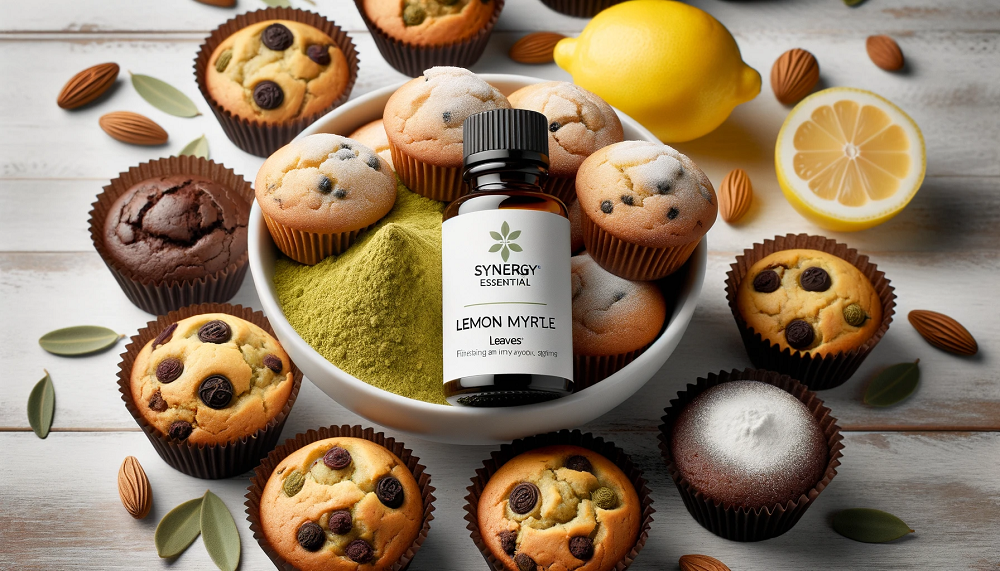
- Brew lemon myrtle leaves for a refreshing herbal tea rich in aroma.
| Botanical | Common Form | Simple Use |
|---|---|---|
| Kakadu Plum | Powder or puree | Blend into smoothies or yogurt |
| Macadamia | Oil or nuts | Drizzle over salads or apply on skin |
| Lemon Myrtle | Dried leaves or extract | Infuse into tea or marinades |
| Finger Lime | Fresh pearls or juice | Add to seafood dishes for a zesty flavour |
Quality and Sourcing
High-quality Australian botanicals should be traceable to their origin, harvested under regulatory oversight, and tested for purity. Certifications such as organic or FairWild encourage transparency. Synergy Essential prioritizes partnerships with local growers and Indigenous enterprises that follow regenerative farming principles. Every product is assessed for environmental impact and fair compensation across the supply chain.
By investing in ethical sourcing, Synergy Essential helps protect native species and endorses cultural respect through shared land stewardship.
FAQs
Are all Australian botanicals sustainably harvested?
No, sustainability depends on regional practices and supplier ethics. Consumers should seek certified, traceable sources.
Can I grow my own native plants?
Yes, many botanicals such as lemon myrtle can be home-grown, provided you follow local biodiversity guidelines.
Do ethical botanicals cost more?
They may, due to fair-pay models and slow harvesting methods—but they ensure social and ecological integrity.
Are these botanicals used in cosmetic products?
Yes, macadamia and Kakadu plum are used in serums and creams for their natural antioxidant profile.
What role do Indigenous communities play?
Indigenous communities contribute traditional knowledge, ensuring sustainable land use and fair trade participation.
Disclaimers
This article offers general information only and should not be considered medical advice. Always consult a qualified professional before making changes to diet or skincare routines.
Conclusion
The ethical harvesting of Australian botanicals bridges modern wellness with ancient stewardship. From farm to table, transparency and Indigenous collaboration define the future of sustainable plant sourcing. As consumer awareness grows, responsible choices can shape a positive global impact—one product and one community at a time.
Learn more about Synergy Essential’s sustainability vision on our official blog.