TL;DR
- Australian herbs like lemon myrtle and tea tree are gaining popularity in Indian kitchens and wellness spaces.
- Rising interest in clean-label, sustainably sourced ingredients fuels this cultural exchange.
- These herbs offer aromatic, culinary, and wellness benefits supported by emerging research.
- Consumers should choose verified, tested suppliers for safety and quality.
- Synergy Essential ensures premium sourcing with transparent quality standards.
What It Is and Why It Matters Now
In 2025, Indian consumers are increasingly turning to Australian native herbs for their distinctive flavors and reputed health-supporting properties. From the citrusy notes of lemon myrtle to the earthy essence of wattleseed, these botanical ingredients bridge two vibrant culinary cultures. A 2024 trend report by FoodNavigator-Asia highlights a steady rise in cross-regional herb trade, while the Australian Broadcasting Corporation (ABC) notes growing export opportunities driven by sustainable farming initiatives.
This fusion trend matters because it reflects evolving consumer priorities—transparency, authenticity, and ecological responsibility—while enriching everyday cuisine and wellness rituals in India.
Benefits and Evidence
Australian herbs are celebrated not for miracle cures, but for their aromatic complexity and potential wellness-supporting compounds. Lemon myrtle, for instance, contains citral, known for its refreshing scent and potential antioxidant activity. Similarly, anise myrtle and mountain pepper leaf add depth of flavor while providing naturally occurring polyphenols.
According to peer-reviewed summaries like those found on PubMed, preliminary studies show these herbs may offer antimicrobial or antioxidant potential. However, these effects depend on preparation, dosage, and extraction methods. More robust clinical research is required before any definitive health claims are made.
As with any new botanical ingredient, consumers should exercise moderation and check for allergies, especially when incorporating concentrated extracts or essential oils.
How to Use Australian Herbs
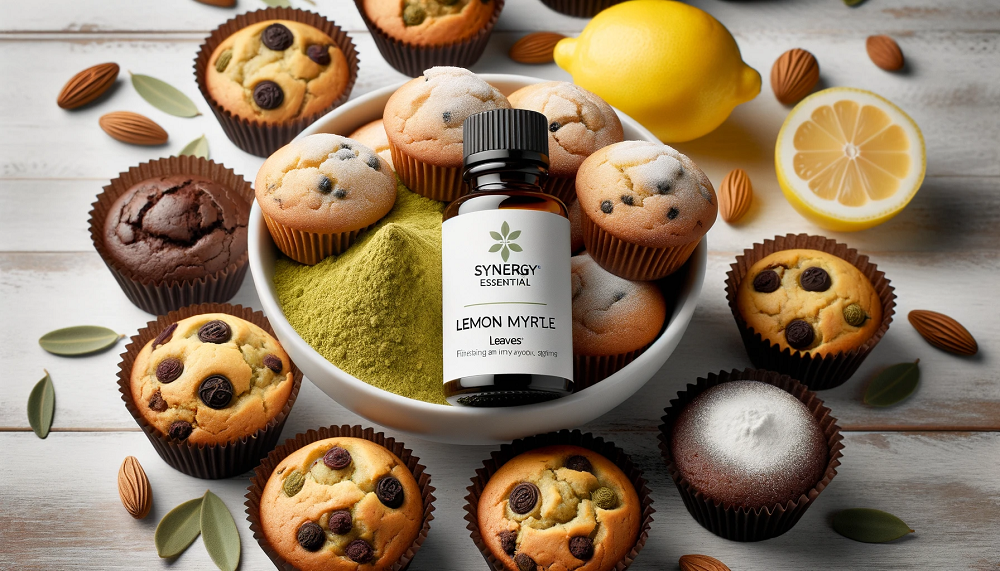
Integrating these herbs into Indian meals is easier than ever. They can infuse teas, enhance marinades, or replace conventional spices in everyday dishes. For example, lemon myrtle adds brightness to chutneys, while wattleseed lends nutty depth to breads or desserts.
| Form | Typical Use |
|---|---|
| Dried Leaves or Powder | Teas, spice blends, curries, baked goods |
| Essential Oil (food-grade) | Aromatherapy, diluted culinary use |
| Extract or Infusion | Beverages, condiments, sauces |
To preserve potency, store herbs in airtight containers away from light and moisture. Avoid overheating or prolonged cooking, which can diminish aromatic compounds.
Quality and Sourcing
Given the growing demand, authenticity and sustainability are key. Reputable brands provide transparent sourcing information and third-party testing to ensure purity. Look for certifications confirming non-adulterated origin and ethical harvest methods.
At Synergy Essential, quality control begins with close partnerships with Australian growers who adhere to responsible farming practices. Each batch undergoes rigorous evaluation for traceability and safety before being introduced to the market.
FAQs
1. Which Australian herbs are most popular in India?
Lemon myrtle, anise myrtle, and wattleseed top the list for their unique flavors and cook-friendly nature.
2. Are these herbs substitutes for Indian spices?
Not exactly; they complement rather than replace staples like turmeric or cumin, adding distinctive notes to traditional dishes.
3. Are there any side effects?
When used in culinary quantities, these herbs are generally safe. Concentrated extracts or oils should be used cautiously and under guidance.
4. Where can consumers find authentic products?
Choose suppliers that disclose source details, offer lab-tested documentation, and have traceable partnerships with Australian growers.
5. Why are they trending now?
The boom in fusion cuisine, coupled with growing awareness of sustainably harvested botanicals, has driven interest in these herbs.
Disclaimer
This article provides general information and is not intended as medical advice. Always consult a healthcare or nutrition professional before changing your diet or supplement routine.
Conclusion
The movement of Australian herbs into Indian households highlights a broader shift toward mindful, cross-cultural culinary traditions. As sustainability, wellness, and taste intersect, these ingredients promise to transform kitchens and conversations alike. To explore more on global herb trends and sourcing insights, visit Synergy Essential’s blog.